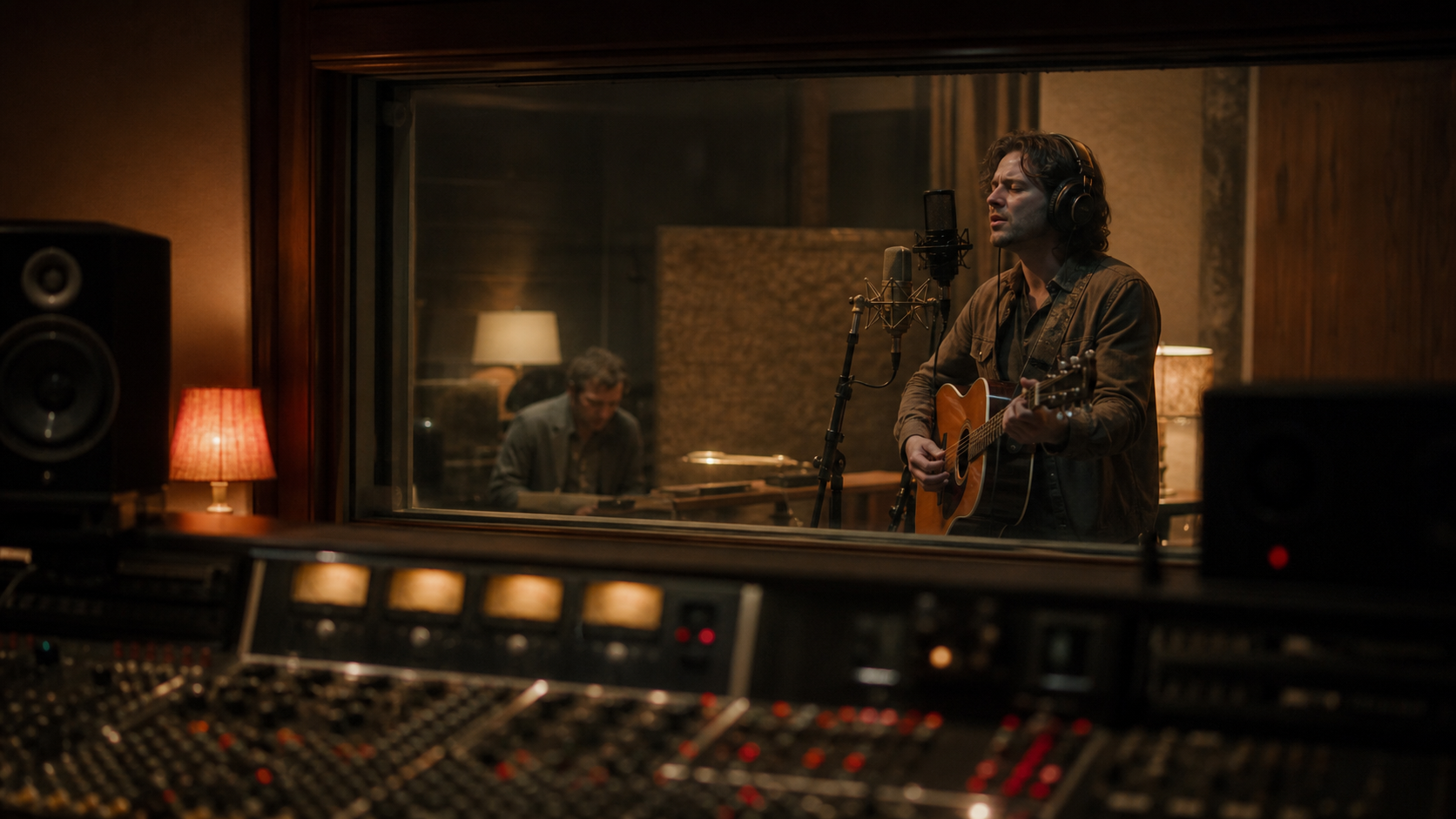
Modern recording software makes almost every sound adjustable. A vocal can be moved by a fraction of a second, a drum performance can be rebuilt beat by beat and dozens of attempts can be assembled into a single seamless line. The tools are powerful, precise and now so familiar that their presence can be easy to forget.
Against that backdrop, some musicians are placing a new value on the first complete take.
The idea is not to reject editing or pretend that older recording methods were better. It is to capture the moment when a song still feels slightly unsettled. Before repetition turns choices into habits, performers may respond more closely to one another. The tempo stretches, a harmony arrives unexpectedly and a rough edge gives the recording its character.
Preparation instead of correction
A convincing first take rarely comes from a lack of preparation. It usually depends on the opposite. Musicians learn the shape of the song well enough to stop concentrating on the mechanics. Engineers position microphones before the session begins and make decisions early about the sound they want. Everyone in the room understands that the red light is not the start of a rehearsal.
This changes the atmosphere in a studio. Rather than collecting material for later, the group is trying to make a record now. Eye contact matters. So does the physical arrangement of the room. Musicians who can see and hear one another naturally adjust their dynamics without waiting for instructions through headphones.
Small imperfections are part of the bargain. A guitar string may buzz or a voice may catch on a high note. The useful question is not whether the take is flawless, but whether correcting it would improve the way the song communicates.
Keeping the options open
Few recording sessions literally stop after one performance. Even artists committed to a live approach may record several complete takes, then choose the one with the strongest arc. Digital tools remain available when a distracting mistake needs repair. The distinction lies in using editing to support a performance rather than manufacture one.
Listeners may never know how a track was assembled, and there is no moral value in choosing one method over another. Meticulous studio construction has produced extraordinary music. So have accidental sounds and unrepeatable performances.
The renewed interest in first takes is ultimately an interest in decisions. Unlimited options can postpone commitment, while a full performance asks musicians to choose together. When that choice works, the recording carries more than the notes of a song. It carries the sound of a particular group of people believing, for a few minutes, that this attempt might be the one.